
Terrains
Day 1
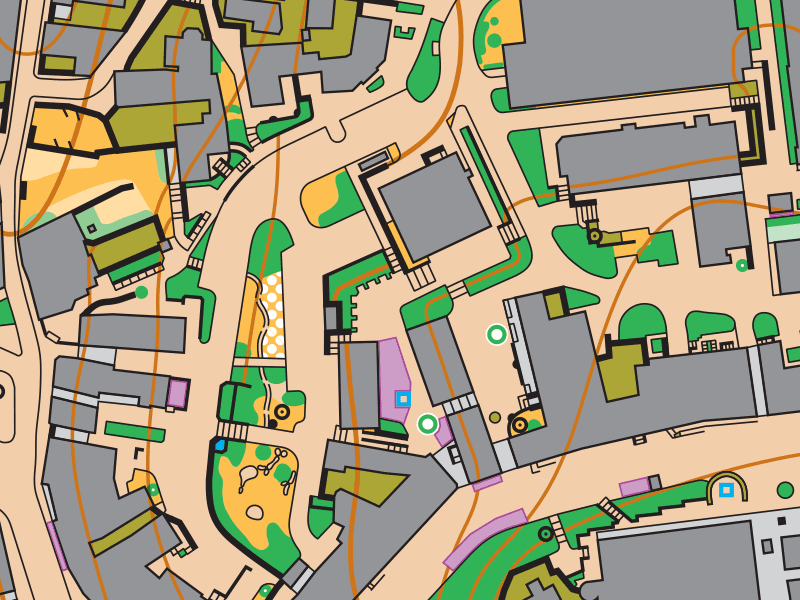
Typical downtown environment, smaller to larger streets, alleyways, squares and institution courtyards, areas with arcades and stairs that set up route-choice tasks for runners. Climbing is significant compared to a sprint race. Approximately 90% of the courses run on paved areas. Runnability and visibility are excellent and allow high speed for the runners.
Day 2
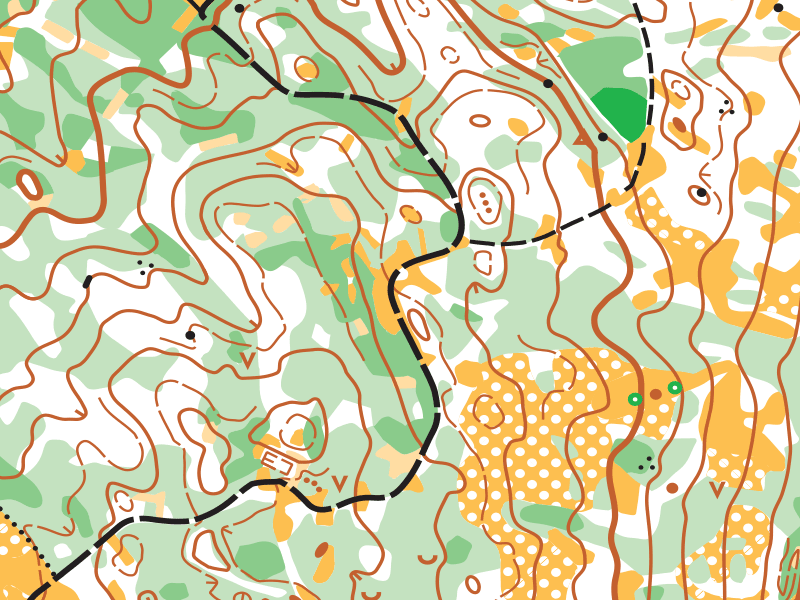
Typical Balaton Highlands terrain with an elevation of 200–300 m above sea level. The terrain is characterized by flatter valley systems with smaller elevation differences, as well as point-like features created by former military activity.
The vegetation is varied. Open and semiopen areas and well-runnable deciduous forests are alternated in several places by denser pine and deciduous forest, which reduce both visibility and runnability.
The area has a moderately dense path network.
Day 3
Mid-mountain terrain with an elevation of 200–600 m above sea level.
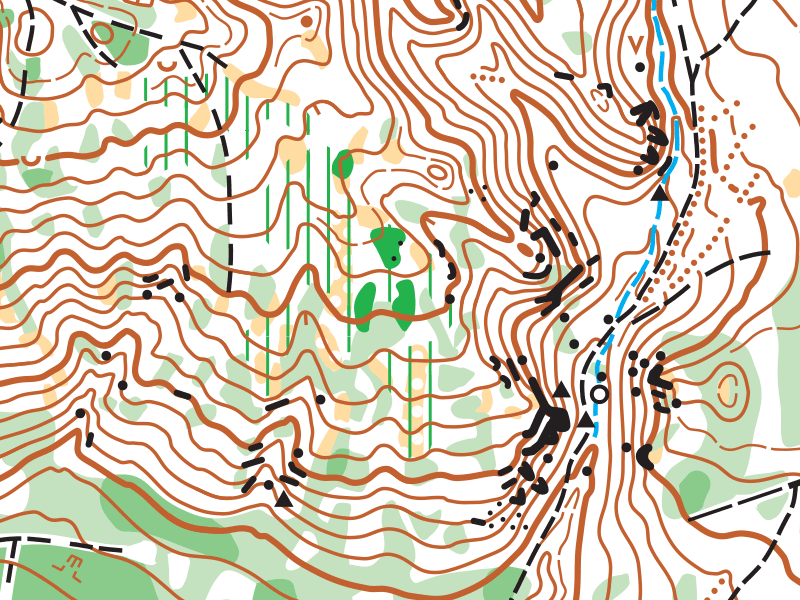
The relief is characterized by valley systems formed by steep valley sides and sharp ridges, resulting in significant elevation differences.
In several areas, 15–25 m high cliffs, rock towers, other rock formations, and boulder fields are present, making navigation more difficult and reducing runnability. In some parts of the terrain, traces of active military use can be observed (point-like terrain features and artificial objects). The vegetation is predominantly deciduous forest, generally offering good runnability and visibility, with some open and semiopen areas adding variation. The area has a moderately dense path network.
Day 4-5
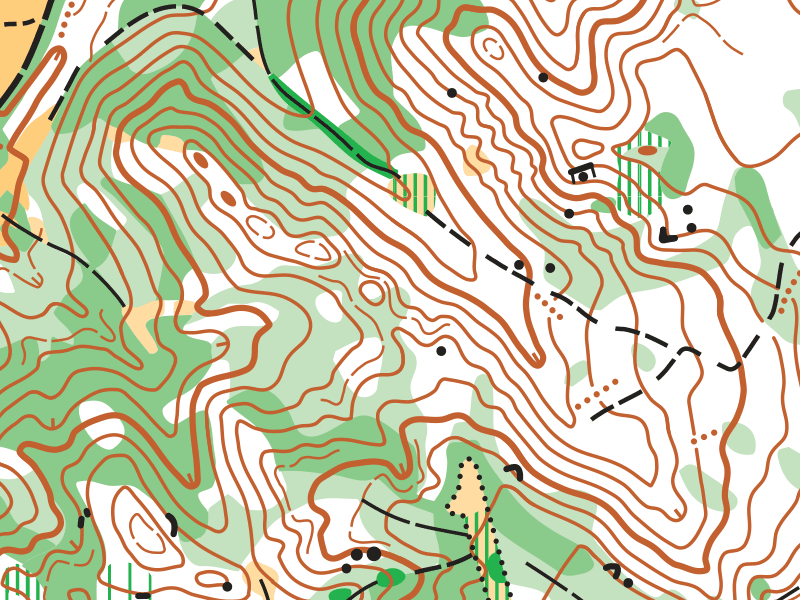
Mid-mountain terrain with an elevation of 200–500 meters above sea level. The relief is typically characterized by steep hillsides and complex, detailed valley systems. In some parts of the terrain, traces of former military activity can be found (point-like terrain features and artificial objects). In several places, prominent rock formations make navigation more difficult and reduce runnability.
The vegetation is diverse: alongside wellrunnable open and semi-open areas and deciduous forests, there are also dense pine forests with thick undergrowth that significantly restrict both runnability and visibility. Most semi-open areas are typically covered with juniper bushes. In some places, blackberry also makes running more difficult.
The path network in the area is quite sparse.